

Formerly Janakpur Engineering College (JEC)Affiliated to Tribhuvan University
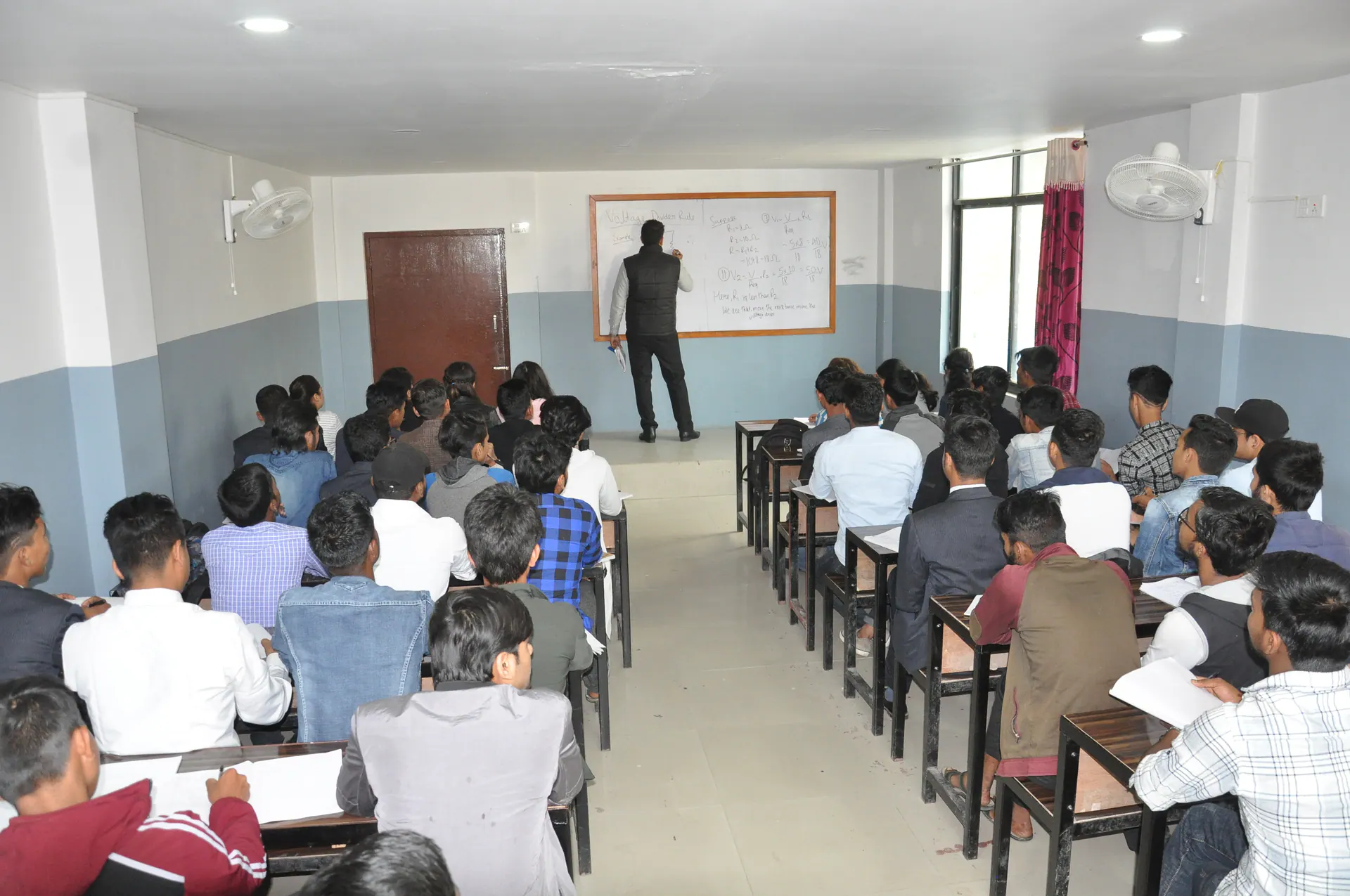
Engineering students at their desks during a lecture at ICE

Tribhuvan University · IOE14 answers

IOE entrance exam

icenepal.com/answers/category/entrance · reviewed by Ram Raj Thapa

  • 14 answers
  • 13 figures
  • August 2026 last updated

The paper, the syllabus, the marks, the centres, and what to carry.

What is the IOE entrance exam, and what decides your rank?

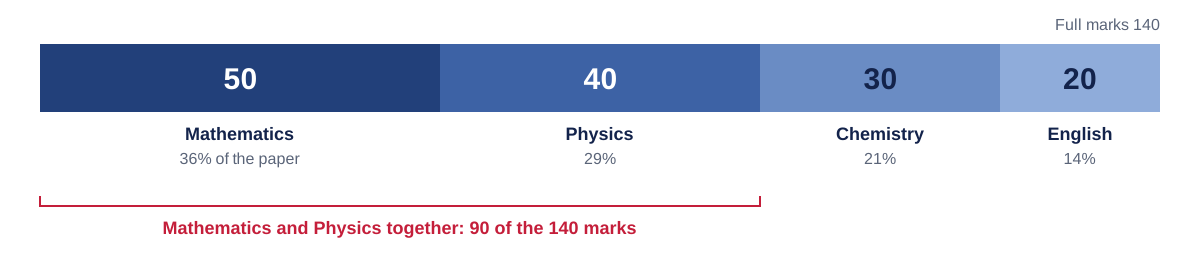
The IOE entrance examination decides every BE seat in the Tribhuvan University system, and it decides them alone: your +2 result determines only whether you are eligible to sit, and carries no weight at all in your rank. The paper is computer-based, runs two hours, and asks 100 questions worth 140 marks — 60 questions at 1 mark in Section A, 40 at 2 marks in Section B. Ten per cent of a question’s marks is deducted for a wrong answer. The 140 marks are split Mathematics 50, Physics 40, Chemistry 30 and English 20, so Mathematics and Physics together carry 90 of them. To sit, you need Physics, Chemistry and Mathematics in classes 11 and 12, with either 45% of total marks or a minimum C grade in every subject. Results and the merit list are published at entrance.ioe.edu.np; college admission then runs on a separate portal, admission.ioe.edu.np, and confusing the two is the usual cause of panic.

14 answers in this section. Every figure is cited to the official document it came from, with the date it was read. Where a document has been superseded, the newer one governs and the page says which.

Which answer you need

The twelve answers in this section do three separate jobs, and it is worth knowing which one you need. Some describe how the paper is built, some reproduce the official syllabus subject by subject, and some cover what happens in the days after you sit it. Read in that order and the section works as a single guide; read the one that matches your week and it works as a reference.

The two facts that change behaviour most are both easy to miss. A wrong answer costs ten per cent of that question’s marks, so filling in every blank at the end out of habit is a losing strategy while a narrowed guess between two options is not. And Mathematics and Physics together carry 90 of the 140 marks, which means a revision plan that gives equal time to four subjects is already the wrong plan.

All 14 answers

  • IOE booklet page stating 2 hours, 100 questions, 140 full marks and a 10% deduction for a wrong answer
  • Bar showing the 140 IOE entrance marks split Mathematics 50, Physics 40, Chemistry 30 and English 20
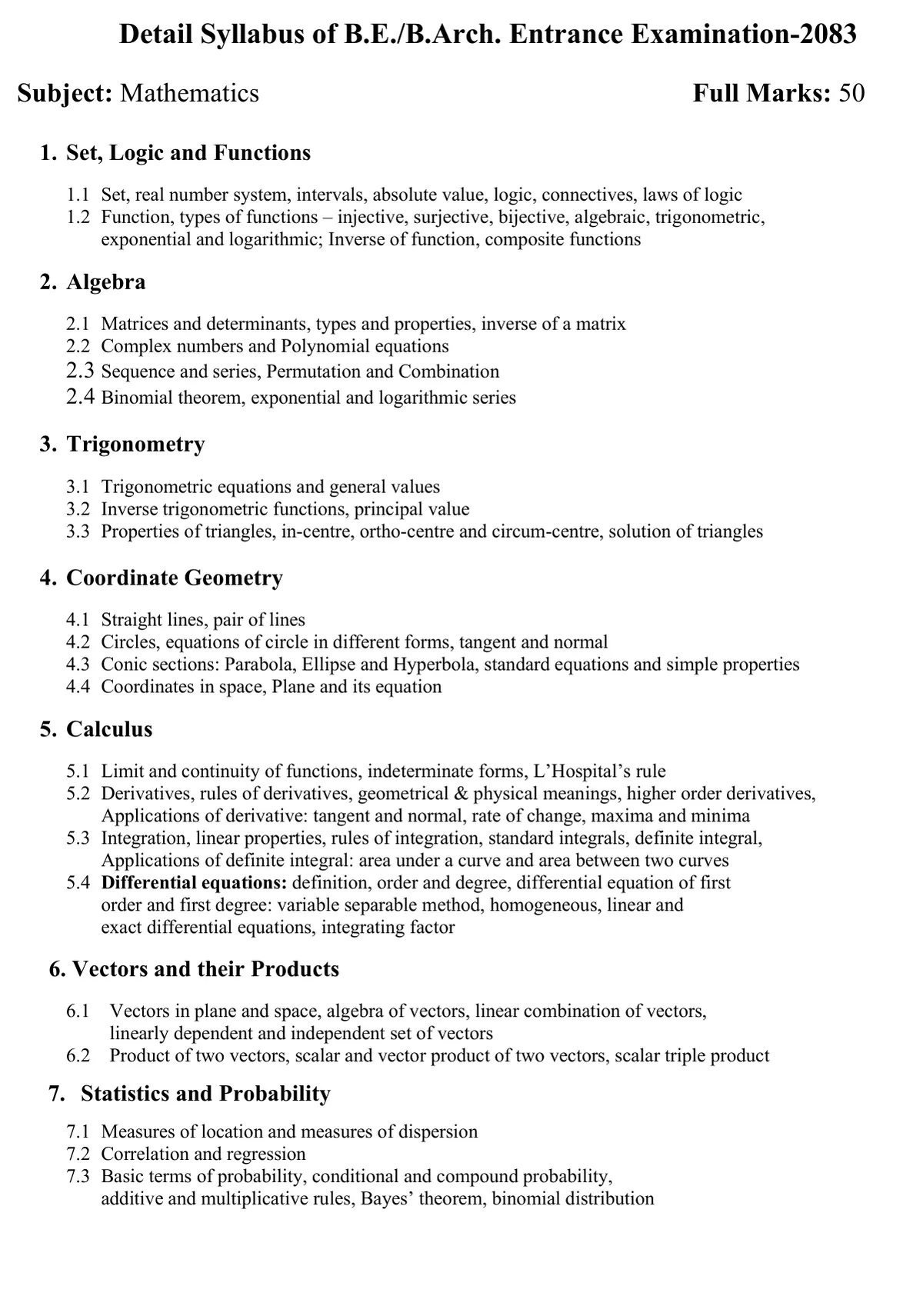
  • The Mathematics page of IOE’s 2083 entrance syllabus, headed Full Marks 50, listing seven numbered areas.
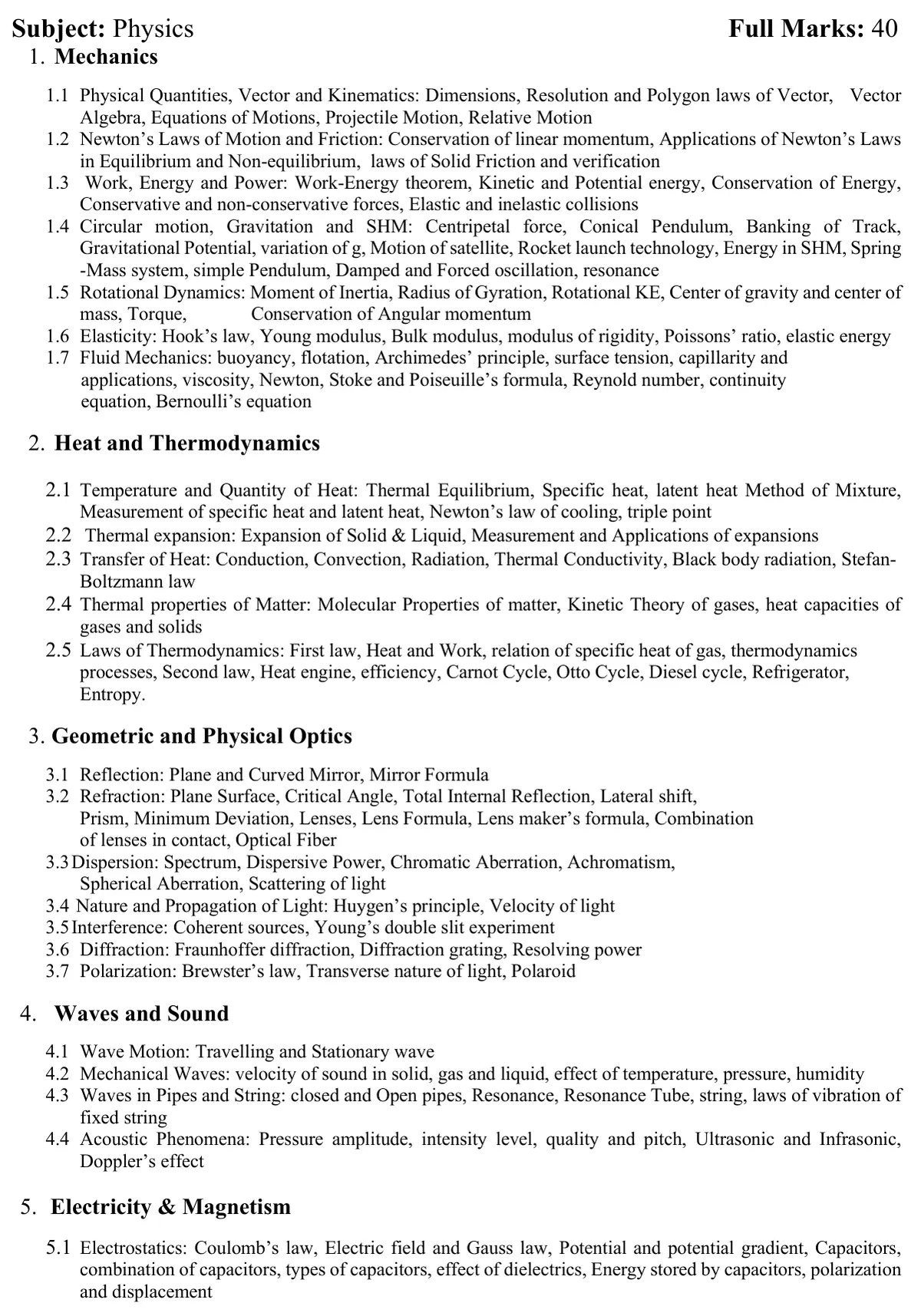
  • The Physics page of IOE’s 2083 entrance syllabus, headed Full Marks 40, listing Mechanics through Electricity and Magnetism.
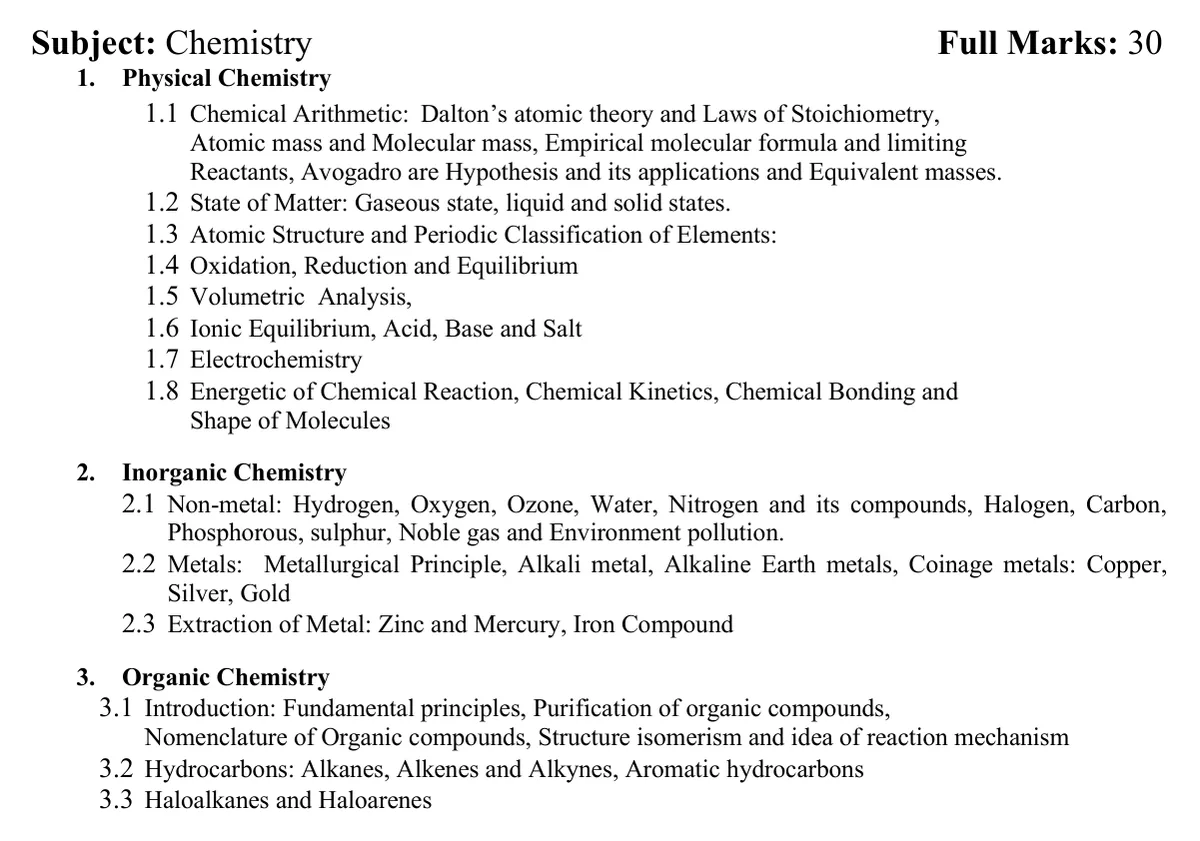
  • IOE’s 2083 entrance Chemistry syllabus, headed Full Marks 30, listing physical, inorganic and organic chemistry.
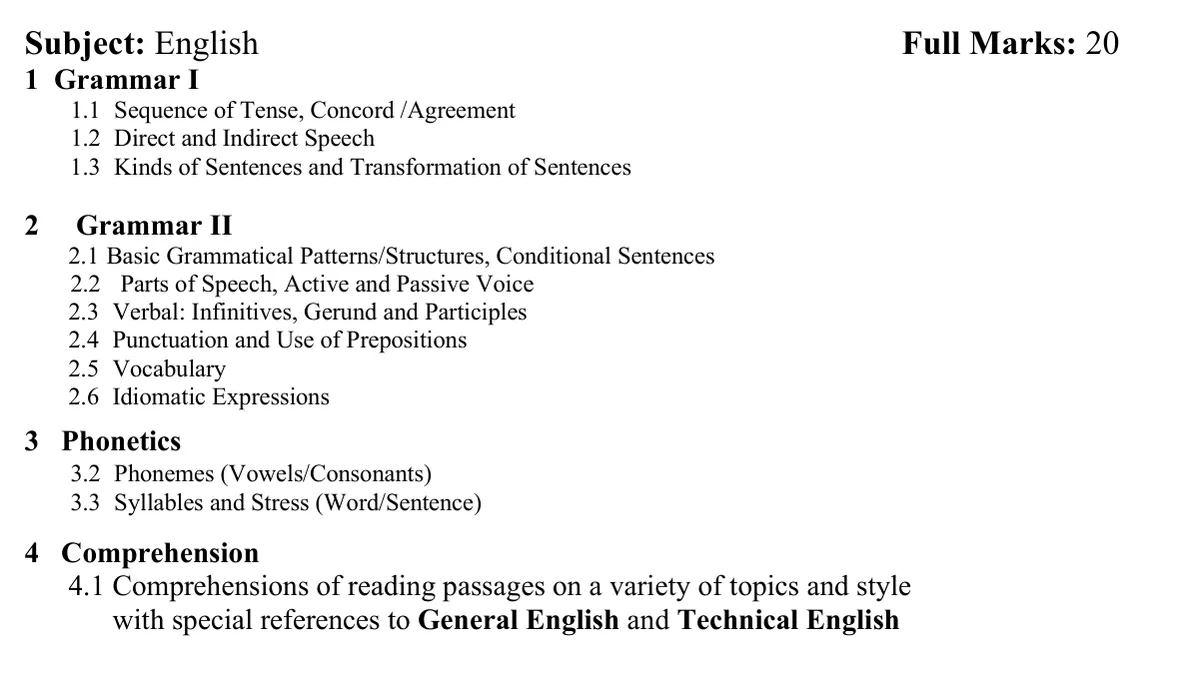
  • IOE’s 2083 entrance English syllabus, headed Full Marks 20, listing Grammar I and II, Phonetics and Comprehension.
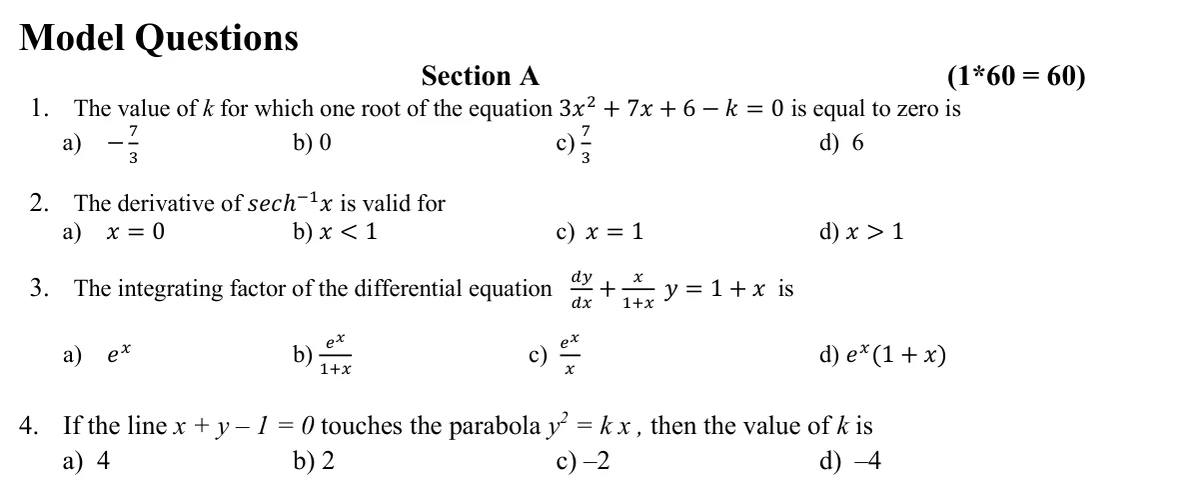
  • The booklet’s Model Questions page showing the Section A header 1*60 = 60 and its first four questions
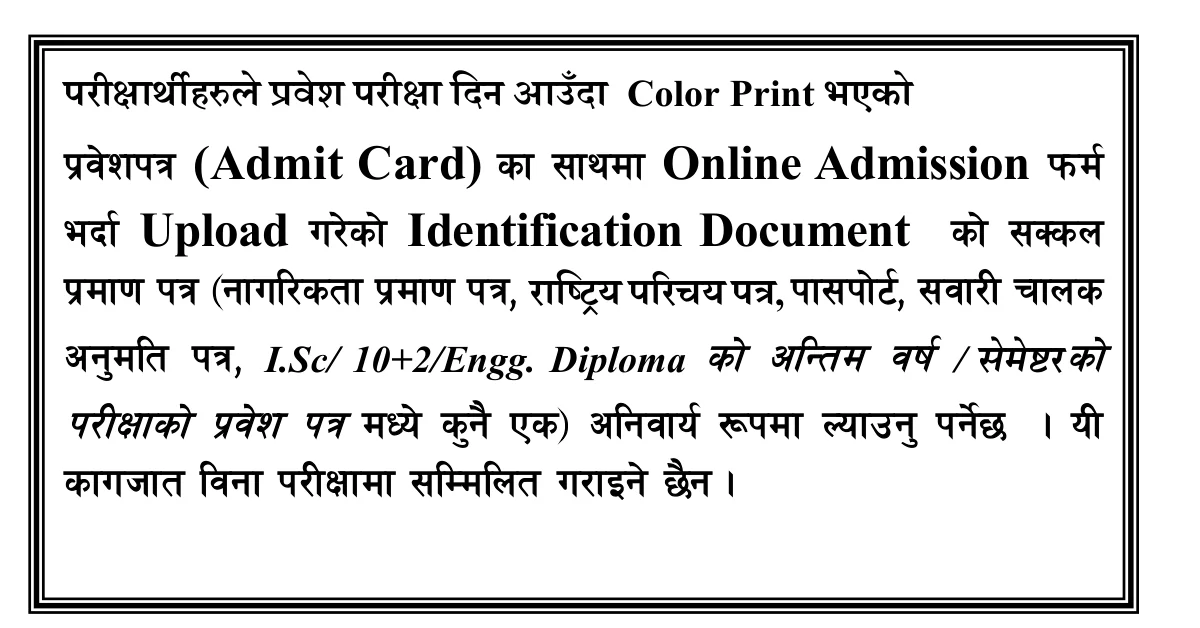
  • The IOE booklet’s boxed notice requiring a colour-print admit card and the original uploaded ID
  • Masthead and column headings of IOE’s 2083 pass list: Sno, FormNo, Applicant’s Name, Gender, District, Rank, Remarks.
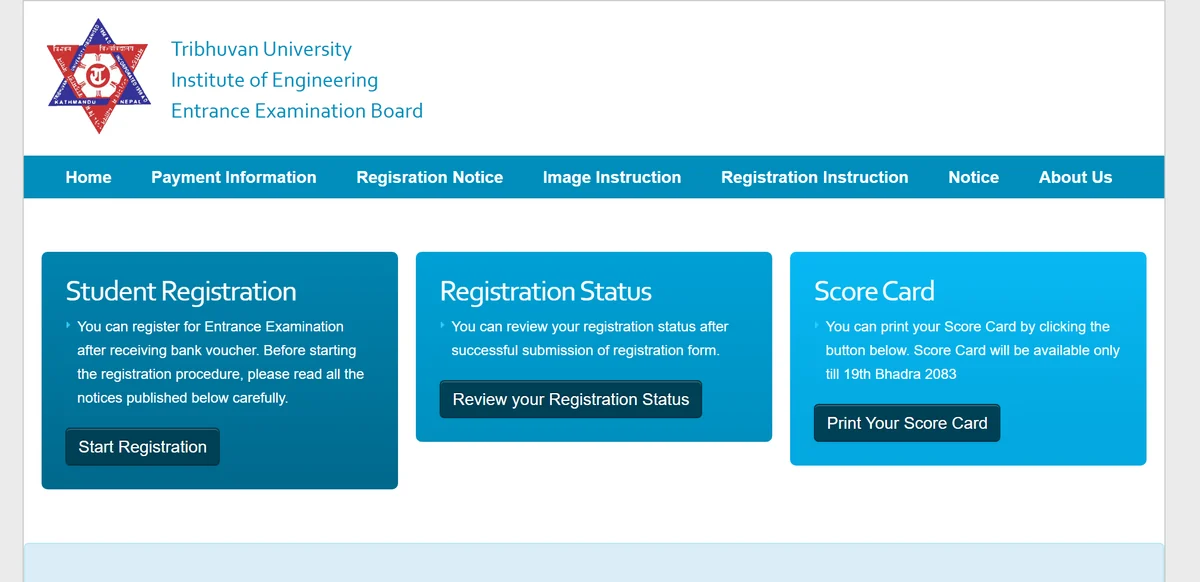
  • The entrance.ioe.edu.np home page, showing the Score Card panel and its Print Your Score Card button.
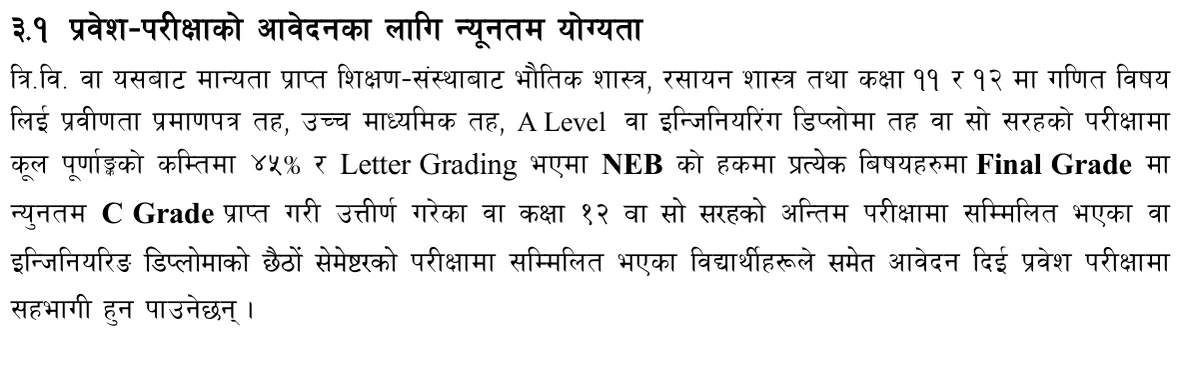
  • IOE booklet section 3.1 stating the 45% total or minimum C Grade requirement for entrance eligibility
  • IOE booklet section 3.2.3 stating that the entrance result carries 100 per cent of the weight
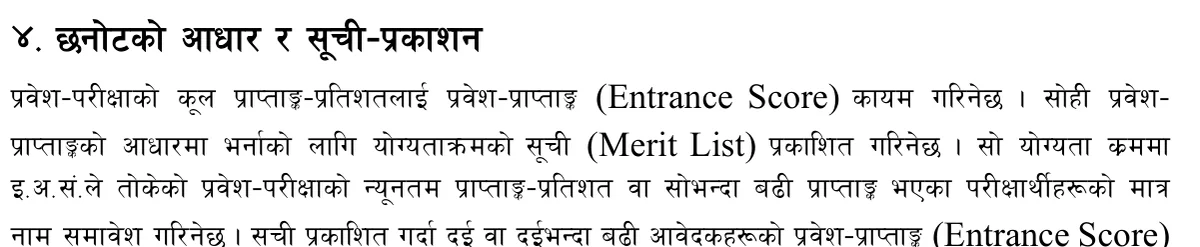
  • IOE booklet section 4 stating that only candidates at or above the minimum percentage enter the merit list

Each tile is a figure from the answer it belongs to: a page of the cited document, a capture of the official portal, or a diagram drawn from that answer’s own sourced numbers. Selecting one opens the answer it was made for.

The rest of the library

Last reviewed by Ram Raj Thapa, Admissions Officer, Imperial College of Engineering. Every figure on this page is cited to the document it came from.